
UK bans two directors for nine years after £15 million vape tax evasion scheme
HMRC says the directors of Glasgow‑based YSK Enterprises Ltd imported 352,688 e‑cigarettes mislabeled as medical nebulisers, evading almost £15 million in VAT and customs duty and £437,101 in corporation tax.
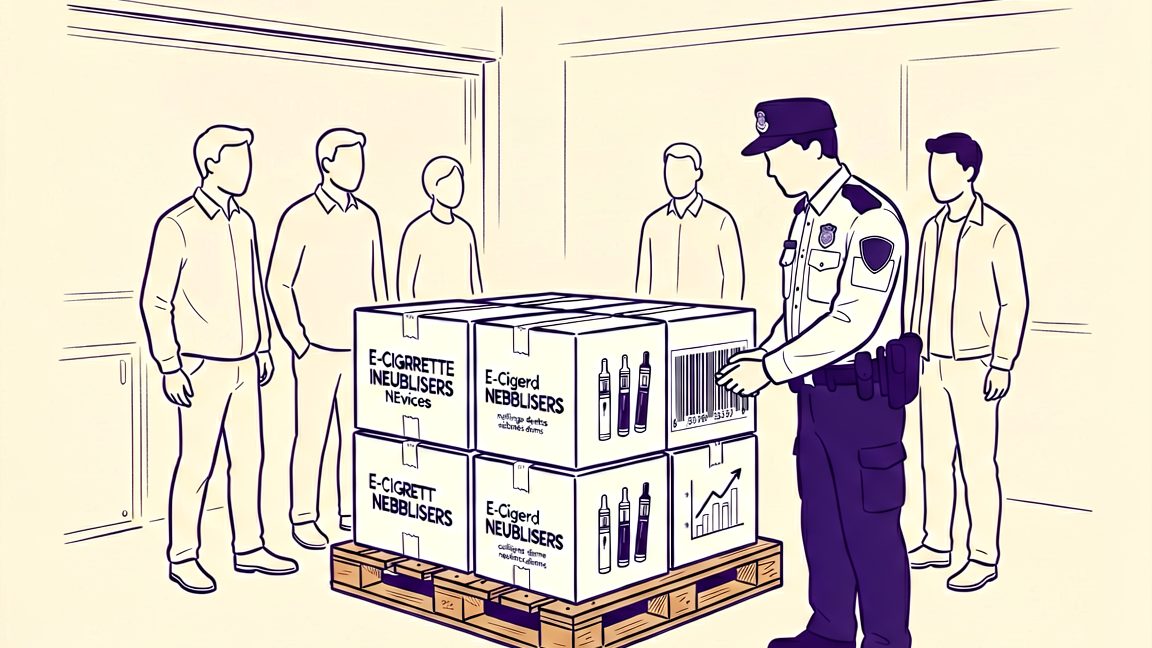
Two Glasgow‑based directors have been barred from acting as company directors for nine years after HMRC determined they evaded almost £15 million in VAT and customs duty by importing 352,688 e‑cigarette devices that were falsely labelled as medical nebulisers (HMRC press release). The case, announced on 10 September 2026, underscores a renewed government focus on illicit vape imports and tax compliance.
Background and the intercepted shipment
Border Force officers seized a consignment addressed to YSK Enterprises Limited in Harwich in 2023. The shipment contained 352,688 vaping devices that had been declared as "Nebuliser – Medical Device" (HMRC press release). The mis‑labeling allowed the goods to bypass standard customs checks for medical equipment, facilitating the import of a large volume of vapes without the appropriate VAT and duty payments.
YSK Enterprises Ltd, the vehicle used for the imports, was run by Kyle McGinness, aged 24, and Leanne Moynes, aged 37 (HMRC press release). Both directors are identified as Glasgow‑based, although the company’s registration details are not disclosed in the release. After the seizure, HMRC investigated the tax position of the company and found that no VAT had been declared on the sales and no corporation tax returns had been filed for the period covering the imports.
Timeline of key events
- 2023 – Border Force intercepts the 352,688‑unit shipment mislabeled as nebulisers.
- 2024 – YSK Enterprises Limited enters liquidation.
- June 2026 – Kyle McGinness receives a nine‑year director disqualification.
- 13 August 2026 – Leanne Moynes’ nine‑year ban takes effect.
- 10 September 2026 – HMRC issues a press release detailing the tax evasion and disqualifications.
Key figures from the case
The HMRC release provides a concise set of numbers that illustrate the scale of the offence.
| Item | Value | Unit |
|---|---|---|
| Vapes imported (mis‑labelled as nebulisers) | 352,688 | units |
| Unpaid VAT & customs duty | ≈15 | million GBP |
| Unpaid corporation tax | 437,101 | GBP |
| Director disqualification length | 9 | years |
HMRC’s tax assessment
HMRC calculated that YSK Enterprises owed almost £15 million in unpaid VAT and customs duty as of the 2026 assessment (HMRC press release). In addition, the agency identified a further £437,101 in unpaid corporation tax, reflecting the company’s failure to submit any corporation tax returns for the period in question (HMRC press release). The unpaid VAT and duty figure is presented without a year‑on‑year comparison because the breach relates to a single 2023 shipment; therefore, no baseline period is applicable.
The tax liability represents a material loss to the Treasury, especially given that the amount stems from a single illicit import operation. The figure is rounded to the nearest million for VAT and customs duty, as the press release states “almost £15 million” rather than a precise amount.
Director disqualifications
Both Kyle McGinness and Leanne Moynes were each disqualified from acting as company directors for nine years, with the bans running from 2026 to 2035 (HMRC press release). The nine‑year term reflects the seriousness of the offence under the UK Companies Act, which allows the Insolvency Service to impose bans for fraudulent or reckless conduct.
The disqualification periods are identical for the two individuals, and the bans take effect on the dates specified in the press release – June 2026 for McGinness and 13 August 2026 for Moynes. No additional penalties, such as fines or criminal convictions, are mentioned in the release.
Implications for the UK vape market and tax enforcement
The case illustrates how the UK government is tightening scrutiny of vape imports that attempt to evade taxes by exploiting medical‑device exemptions. By labeling the devices as nebulisers, the importers sought to avoid the 20 % VAT rate applicable to e‑cigarettes and the associated customs duties. The successful seizure and subsequent tax assessment demonstrate that Border Force and HMRC are coordinating to close such loopholes.
For legitimate vape manufacturers and retailers, the enforcement action signals a higher risk of detection for any mis‑declaration of product categories. Companies will need to ensure that customs documentation accurately reflects the nature of the goods, or face similar financial and reputational consequences.
From a fiscal perspective, recovering the £15 million shortfall – even if only partially – helps to offset the broader revenue loss from illicit vape trade, which has been a growing concern for the Treasury. The additional £437,101 in corporation tax underscores that the evasion extended beyond consumption‑based taxes to corporate obligations.
Outstanding questions
The HMRC press release does not disclose whether any other individuals or entities were involved in the import scheme, nor does it indicate whether the unpaid taxes will be recovered through enforcement action or liquidation proceeds. It also remains unclear how many other shipments may have been mis‑labelled in a similar fashion, as the release focuses solely on the 352,688‑unit case.
Further details may emerge from the Insolvency Service or future HMRC updates, but for now the public record confirms the disqualifications, the tax liability, and the scale of the single intercepted shipment.
As the bans remain in force until 2035, the two former directors are barred from participating in the management of any UK company, a restriction that will shape their professional prospects and serve as a deterrent to others considering comparable schemes.