
French wine harvest forecast hits 30‑year low as record heat slashes 2026 output
The French agriculture ministry’s first‑ever 2026 vintage estimate predicts just under 34 million hl – a 6 % drop from 2025 and 17 % below the five‑year average – after the country’s hottest summer on record.
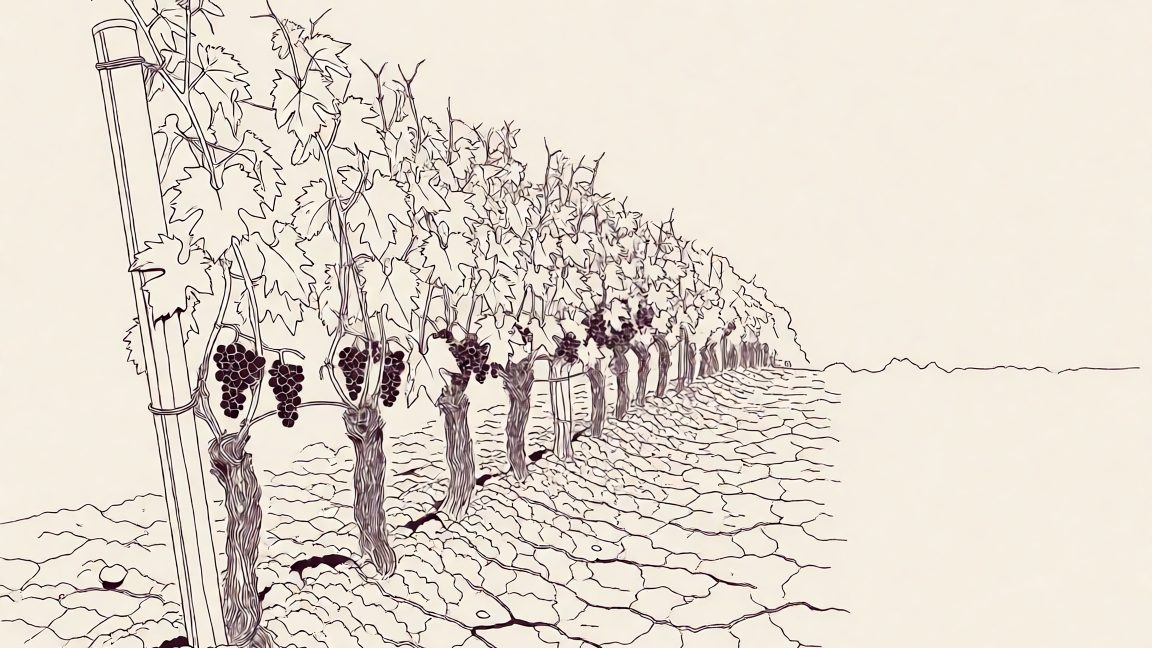
The French agriculture ministry released its first‑ever estimate for the 2026 wine‑production vintage on 7 September 2026, forecasting just under 34 million hectolitres (hl). The forecast represents a 6 % decline from the 2025 harvest and a 17 % shortfall against the 2021‑2025 five‑year average, according to the ministry’s statistics body Agreste and reported by The Guardian.
How the 2026 figure compares
The table below summarises the key numbers supplied by the ministry and reproduced by the media source.
| Year | Production (million hl) | Change vs. previous year | Change vs. 2021‑2025 avg |
|---|---|---|---|
| 2025 | ≈36.2 | – | ≈+8 % |
| 2026 (forecast) | ≈34.0 | ‑6 % | ‑17 % |
Source: The Guardian article quoting Agreste (French agriculture ministry).
Climate conditions behind the drop
The ministry linked the reduced output to the summer of 2026, described as the hottest on record in France. Soil drought intensified nationwide, and heatwaves caused localized sun‑scald, scorching, defoliation and wilting of grapes. The official wording notes that these conditions “reducing harvest volumes”.
In addition to drought, wildfire smoke has emerged as a secondary risk. The report highlights concerns that vines in renowned regions such as Bordeaux, Champagne, Jura and Burgundy have been exposed to smoke, potentially leading to “smoke taint” that could affect the taste of the finished wine.
“Cécile Mathiaud of the Burgundy wine producers association said she was surprised by the government’s disastrous figures for her region’s vineyards,” the article records, underscoring the regional alarm.
Implications for the French wine sector
With production projected at the lowest level in three decades, winemakers face tighter supplies. The 6 % year‑on‑year decline follows a modest rise of roughly 8 % in 2025, indicating a sharp reversal. While the forecast does not quantify price effects, reduced volumes traditionally put upward pressure on both domestic and export wine prices.
Export‑oriented regions such as Bordeaux may see their market share challenged if buyers turn to alternative sources. Conversely, premium segments that rely on specific terroirs could experience heightened demand for limited bottles, potentially offsetting volume losses.
The ministry’s estimate does not break down the forecast by appellation, leaving the exact impact on individual wine categories unknown. Likewise, the report does not provide a timeline for when the shortfall will translate into market adjustments.
What remains uncertain
Several key questions lack answers in the current release. First, the precise magnitude of the “smoke taint” risk remains unquantified; the ministry only notes the possibility. Second, the forecast does not indicate whether the 2026 vintage will meet the demand of the domestic market, which consumes roughly half of French wine production each year. Third, the long‑term outlook for subsequent vintages is absent, despite the likelihood that climate trends will persist.
Analysts will need to monitor subsequent updates from Agreste and any corrective measures announced by the ministry, such as irrigation subsidies or replanting programmes, to gauge how the sector might adapt.
Next steps for stakeholders
Wine producers, distributors and investors should watch for any policy response from the French government, especially given the ministry’s explicit attribution of the shortfall to extreme weather. The release of the forecast coincides with broader European discussions on climate resilience in agriculture, suggesting that future funding or regulatory measures could be on the horizon.
For now, the 2026 forecast stands as the most recent quantitative signal of climate‑driven stress on a key European commodity. Market participants will need to incorporate the 6 % year‑on‑year decline and the 17 % gap to the five‑year average into their supply‑demand models as the vintage progresses.