
cocoa, wheat and corn rally while gasoline, coffee and sugar tumble on 28 august 2026
European commodity markets saw a sharp rise in cocoa, wheat and corn prices and a steep fall in gasoline, coffee and sugar. The euro slipped against the dollar, adding a layer of cost pressure for firms that buy energy in dollars.
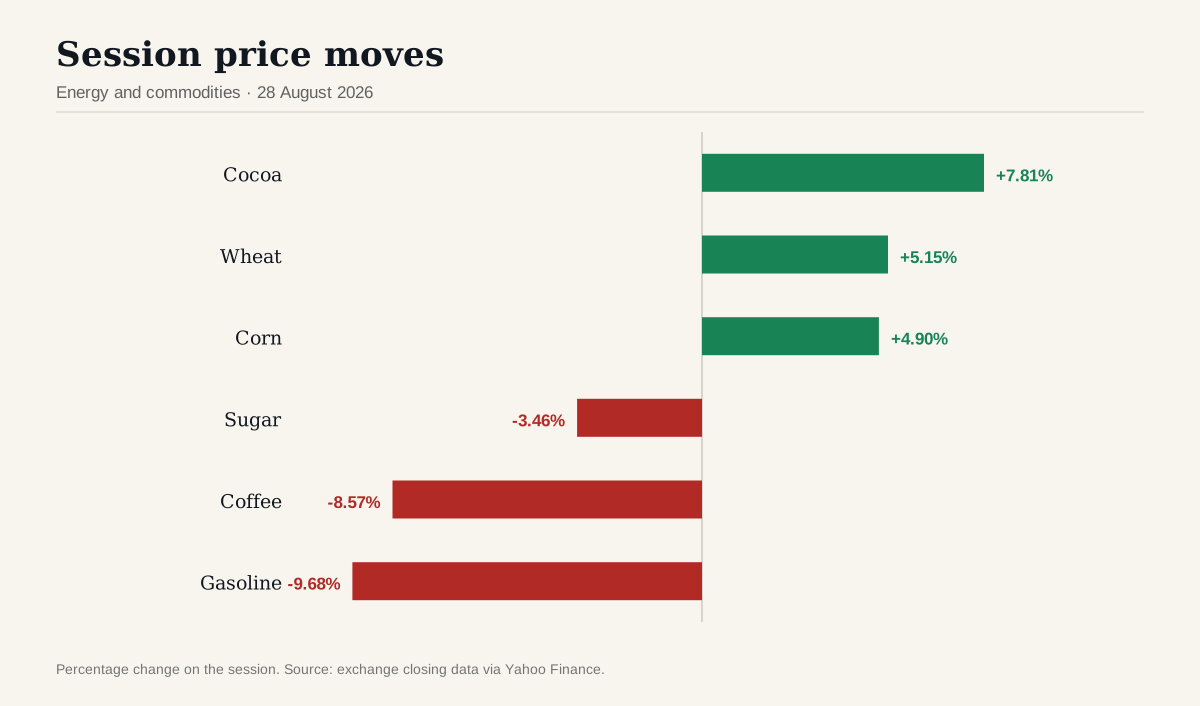
On 28 august 2026 the most active contract was cocoa, which closed at US$ 6 636, up 7.81 per cent on the day. The move was the largest among the twenty energy and commodity contracts that traded, and it came as European importers settled invoices in a weaker Euro against the United States dollar.
- Euro/USD close 1.1583, down 0.61 per cent on the day
- Cocoa close US$ 6 636, up 7.81 per cent on the day
- Gasoline close US$ 3.0566, down 9.68 per cent on the day
Energy contracts and European input costs
| Instrument | Close | Day | 5-day | Volume vs avg |
|---|---|---|---|---|
| Cocoa USD | 6,636 | +7.81% | +10.78% | 2.47x |
| Wheat USX | 781 | +5.15% | +14.60% | 1.66x |
| Corn USX | 535.25 | +4.90% | +10.65% | 2.31x |
| Sugar USX | 17.56 | -3.46% | -0.28% | 0.95x |
| Coffee USX | 312.6 | -8.57% | -12.86% | 1.22x |
| Gasoline USD | 3.06 | -9.68% | -8.70% | 0.88x |
| Source: exchange closing data via Yahoo Finance, session of 2026-08-28. | ||||
The decline in the Euro to US$ 1.1583 represents a 0.61 per cent depreciation from the previous close of 1.1655. European firms that purchase oil, gas or refined products in dollars will see the euro move translate into a higher effective price, even before the commodity price change is taken into account.
Gasoline fell 9.68 per cent to US$ 3.0566, a move that pushes the contract 20.1 per cent below its 52 week high. The price is now 1.6656 to 3.8232 range, indicating a broad swing over the past year. For European transport operators, the drop could ease fuel cost pressure, but the concurrent euro weakness offsets part of the benefit. The net effect on a fleet that pays in euros depends on the relative size of the two moves, which are both disclosed.
There were no reported announcements attached to the gasoline move, so the price shift appears to be market driven rather than linked to a specific policy or supply event.
Agricultural futures and food chain pricing
The rally in wheat was the most pronounced among grains, closing at US$ 781, a 5.15 per cent rise on the day and a 1.2 per cent gap to its 52 week high. Volume was 1.66 times the 20 day average, suggesting heightened trading interest. Wheat is a core input for European flour mills and animal feed producers; a higher wheat price directly lifts the cost of bread, pasta and livestock feed.
corn advanced 4.90 per cent to US$ 535.25, also closing within 1.1 per cent of its 52 week high. The contract traded at 2.31 times the 20 day average, indicating strong participation. Corn is a key feed grain and the feedstock for ethanol production. European ethanol plants that source corn on the global market will see feedstock costs rise, which can erode margins unless the price is passed on to fuel customers.
The surge in cocoa to US$ 6 636, up 7.81 per cent, places the contract 13.2 per cent below its 52 week high. Cocoa is a specialty input for confectionery manufacturers and premium chocolate producers across Europe. The price jump will increase the cost base for brands that rely on imported cocoa beans, potentially feeding through to retail chocolate prices.
In contrast, coffee fell 8.57 per cent to US$ 312.6, a level 28.6 per cent below its 52 week high. Coffee is a major commodity for the European café sector and for packaged coffee brands. The decline could ease input costs for roasters, but the euro's weakness may blunt the benefit for firms that pay in dollars.
sugar slipped 3.46 per cent to US$ 17.56, still 5.9 per cent below its 52 week high. The move follows a mixed pattern of a modest daily decline but a 21.69 per cent gain over the past month, indicating recent volatility. Sugar‑using food manufacturers will see a modest cost reduction, though the euro's depreciation again reduces the net gain.
Listed energy majors and utilities, market reaction
No specific share price movements or corporate announcements were attached to the commodity moves listed above. The data set records the performance of twenty companies in the energy and commodities universe, of which twelve rose and eight fell, but it does not disclose which firms were in each group. In the absence of company‑specific information, the report cannot attribute the commodity price changes to any particular listed major or utility.
European energy majors that own refining assets typically see their margins swing with the spread between crude oil and refined product prices. The sharp fall in gasoline suggests a narrowing of the gasoline crack spread, which could pressure earnings for refiners that sell a higher proportion of gasoline. Conversely, the rise in wheat and corn may benefit utilities that have diversified into bio‑energy, as higher feedstock prices can improve the economics of biomass‑based power generation.
Implications for European business costs
For manufacturers, the combination of a weaker euro and rising commodity prices creates a two‑fold cost pressure. The euro's 0.61 per cent depreciation means that any dollar‑denominated purchase will cost more in local currency. When that purchase is also subject to a price increase, as with wheat, corn and cocoa, the effective cost rise can be materially larger than either factor alone.
Transport and logistics firms that buy gasoline will see the price drop as a relief, but the euro's move will offset part of the benefit. The net effect depends on the relative size of the two moves; with gasoline down 9.68 per cent and the euro down 0.61 per cent, the headline fuel cost in euros is still lower than the previous day, but the margin of improvement is narrower than the headline gasoline move suggests.
Food processors that rely on wheat, corn or cocoa will need to assess whether they can pass the higher input cost onto customers. In markets where price elasticity is low, for example premium chocolate, firms may absorb some of the cost, reducing profit margins. In more price‑sensitive segments, such as mass‑market baked goods, the higher grain cost is likely to be reflected in retail prices, contributing to inflationary pressure.
Companies that have hedging programmes tied to the euro‑dollar exchange rate will see the currency move affect the effectiveness of those hedges. A weaker euro reduces the value of hedges that were locked in at stronger euro levels, potentially leading to higher realised costs.
Overall, the session's commodity dynamics suggest a mixed cost environment for European businesses. Input cost pressures are rising for sectors dependent on grains and cocoa, while fuel‑intensive operations may see a modest relief. The euro's depreciation adds a layer of complexity, meaning that firms must look beyond headline commodity moves to understand the true impact on their cost structures.
Upcoming data points
The next European Central Bank policy meeting is scheduled for 10 september 2026, where the euro's trajectory will be reassessed in the context of inflation trends that include the commodity price changes reported today.