
Silver Tsunami on the Horizon: How the Baby‑Boomer Generation May Pressure European Home Prices
A wave of house sales from Germany’s and France’s ageing baby‑boomers could flood the market, prompting analysts to warn of a possible price decline – but the forecasts remain largely qualitative.
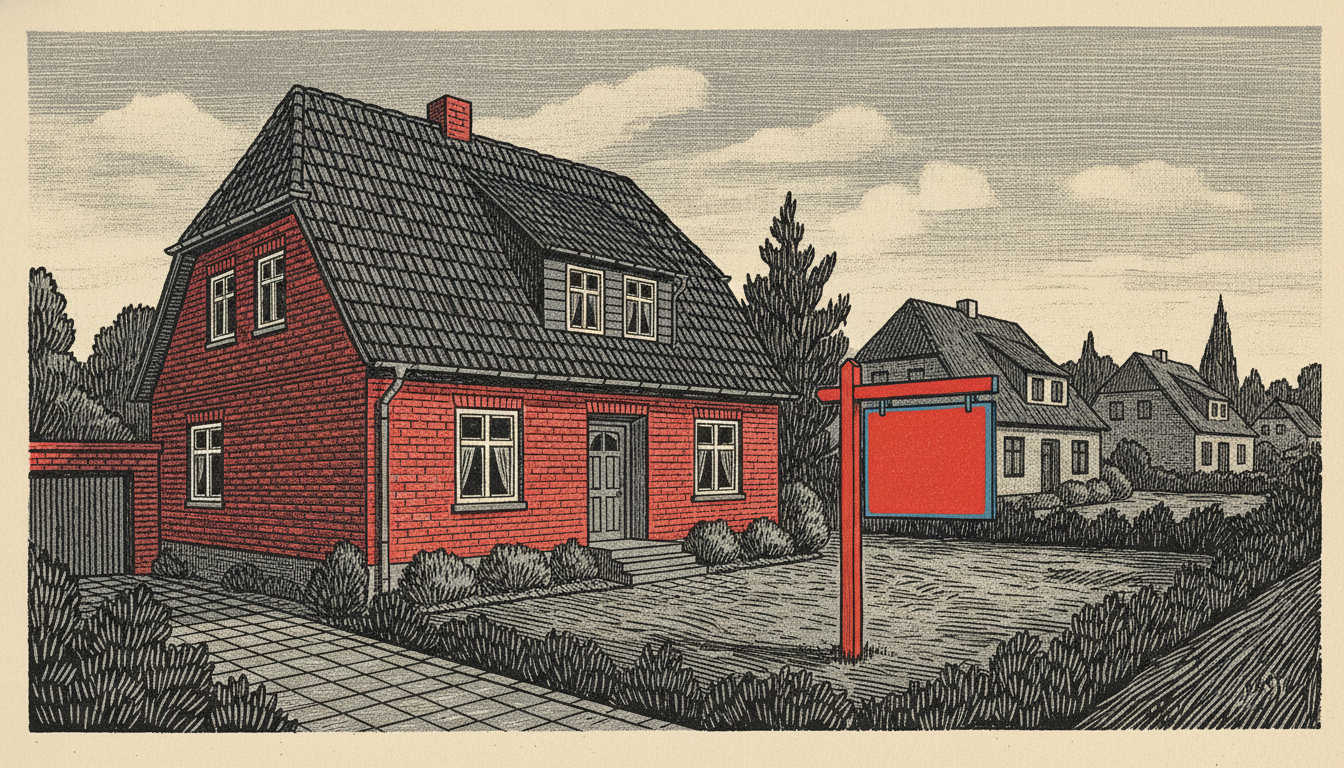
Several German and French studies warn that the ageing baby‑boomer cohort could soon unleash a flood of residential properties onto the market, a scenario dubbed the “Silver Tsunami”. The prospect of a sudden oversupply has prompted analysts to ask whether house prices will start to fall in the coming years.
The demographic catalyst
The generation born between 1946 and 1964 still owns a disproportionate share of residential property in Germany, according to the Handelsblatt article that triggered this report. As members of this cohort reach ages where they may need long‑term care or pass away, their homes are expected to become available for sale or inheritance. The article states that “Millionen Häuser werden bald auf den Immobilienmarkt drängen”, meaning millions of houses could soon be listed for sale.
What the studies say
Handelsblatt summarises a handful of recent studies that model the impact of this demographic shift on the housing market. While the outlet does not provide the underlying numbers, it notes that the studies for both Germany and France converge on a common narrative: a sizeable wave of sales could generate a “Marktschwemme” – a market glut – that would include a price‑drop component. The experts quoted in the piece label the phenomenon a “Silver Tsunami”, borrowing the colour‑coded term to stress the demographic origin of the sales wave.
Potential market impact
Even without precise figures, the qualitative consensus points to three possible channels through which the baby‑boomer effect could influence prices. First, a sudden increase in supply would shift the supply‑demand balance, putting downward pressure on asking prices in affected regions. Second, the influx of properties could alter the composition of the market, with a higher share of older, potentially less‑maintained homes entering the pool, which may depress average price levels. Third, the prospect of a looming surplus could affect buyer sentiment, prompting prospective purchasers to delay transactions in anticipation of lower prices later on.
Who stands to feel the wave
Homeowners in the 30‑ to 50‑year‑old bracket could see the value of their assets erode if a price decline materialises. Mortgage lenders and banks with exposure to residential loan portfolios may need to reassess risk models, especially if loan‑to‑value ratios rise as prices fall. Real‑estate investors, including institutional funds that have built positions in German and French residential assets, could face lower returns on existing holdings and may need to adjust acquisition strategies.
Uncertainties and data gaps
The most significant limitation of the current narrative is the absence of quantitative data. The Handelsblatt piece does not disclose the exact number of homes projected to hit the market, nor does it provide percentage‑change forecasts for price levels. As the packet’s “contradictory evidence” section notes, the source offers no specific study figures, which hampers a fully data‑led analysis. Consequently, any estimate of the magnitude of a price decline remains speculative.
handelsblatt: Frankfurt, Paris. Es ist eine Warnung, die aufhorchen lässt: Millionen Häuser werden bald auf den Immobilienmarkt drängen. Da die Babyboomer immer älter werden, irgendwann pflegebedürftig sind oder versterben, würden ihre Immobilien in der Zukunft frei werden und für eine Marktschwemme sorgen, Preisrückgang inklusive.
What analysts should watch
Given the qualitative nature of the forecasts, market participants should monitor three concrete signals. First, the volume of listings in the 60‑plus age segment can be tracked through regional property portals and notary data. A noticeable uptick would corroborate the “Silver Tsunami” narrative. Second, price trends in regions with high concentrations of baby‑boomer owners – such as Bavaria, Baden‑Württemberg and Île‑de‑France – should be examined for early signs of softening. Third, policy responses, including potential incentives for senior homeowners to downsize or for buyers to enter the market, could mitigate or amplify the projected impact.
Conclusion: a forecast, not a fate
While the demographic shift is undeniable, the lack of hard numbers means the market’s reaction remains an open question. The Handelsblatt article provides a clear warning: a wave of sales from the ageing cohort could create oversupply and trigger price declines. Yet without concrete estimates of how many homes will be released or how much prices could move, the scenario stays in the realm of possibility rather than certainty. Stakeholders should therefore treat the “Silver Tsunami” as a risk factor to be monitored, not a predetermined outcome.