
Corn and soybeans rally while coffee plunges in volatile session
Corn and soybeans posted double‑digit gains on the CBOT, coffee fell more than ten per cent on ICE, heating oil slipped and the euro edged higher against the dollar, tightening cost pressures for European food and energy users.
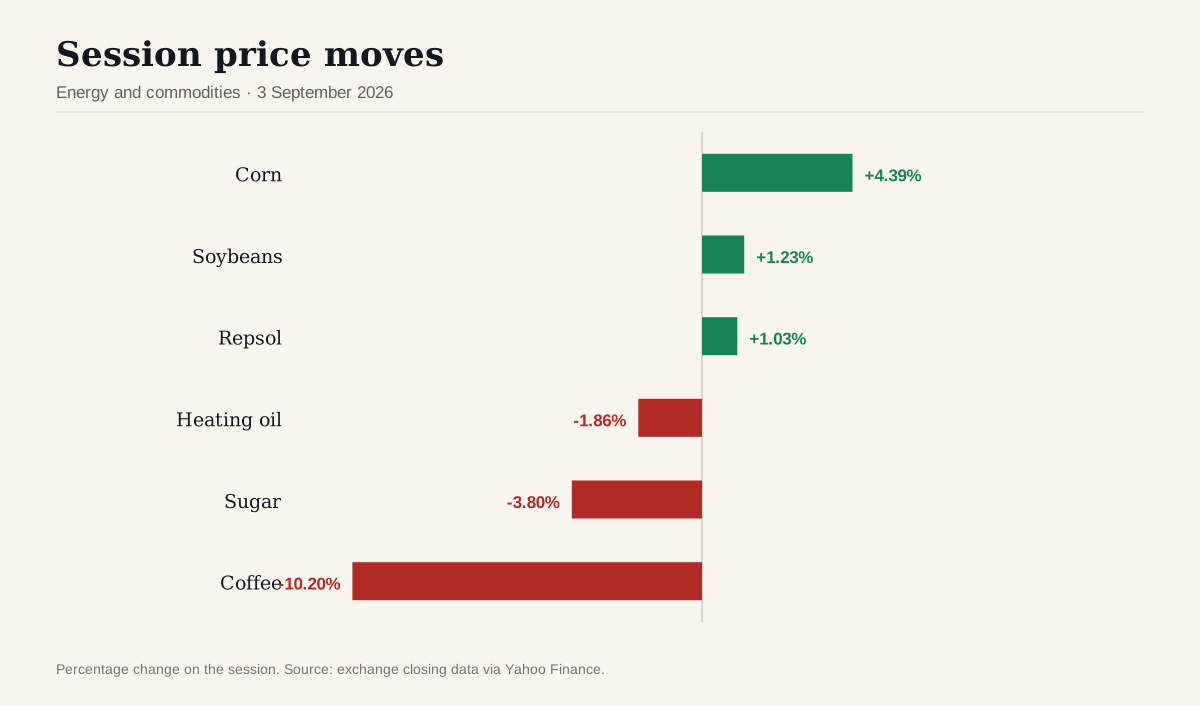
On 3 September 2026 the most active move was a rise in Corn futures on the CBOT, which closed at 541.5 US cents, up 4.39 per cent on the day and 23.98 per cent over the past month. Soybeans also advanced, ending at 1 317.75 US cents, a daily gain of 1.23 per cent and a 14.44 per cent increase since the start of the month. The rally came as the Euro edged higher against the US dollar, closing at 1.1637, a 0.36 per cent rise on the day. At the same time, Coffee futures slumped to 294.9 US cents, down 10.20 per cent, while Sugar fell to 17.99 US cents, a 3.80 per cent decline. Heating oil slipped to 4.5949 USD, a 1.86 per cent drop, and Repsol shares rose to 28.34 EUR, up 1.03 per cent.
- Euro/USD close 1.1637, up 0.36 per cent
- Corn 541.5 US cents, up 4.39 per cent
- Soybeans 1 317.75 US cents, up 1.23 per cent
- Coffee 294.9 US cents, down 10.20 per cent
- Repsol 28.34 EUR, up 1.03 per cent
Currency and heating oil dynamics
| Instrument | Close | Day | 5-day | Volume vs avg |
|---|---|---|---|---|
| Corn USX | 541.5 | +4.39% | +6.12% | 2.65x |
| Soybeans USX | 1,317.75 | +1.23% | +4.87% | 13.48x |
| Repsol EUR | 28.34 | +1.03% | +7.47% | 1.42x |
| Heating oil USD | 4.59 | -1.86% | +7.39% | 0.73x |
| Sugar USX | 17.99 | -3.80% | -1.10% | 1.37x |
| Coffee USX | 294.9 | -10.20% | -13.75% | 2.66x |
| Source: exchange closing data via Yahoo Finance, session of 2026-09-03. | ||||
The modest appreciation of the Euro against the US dollar reduces the euro‑denominated cost of dollar‑priced energy imports. European refiners and power generators that settle in dollars will see a marginal offset to the price pressure from the 0.36 per cent currency gain. However, the offset is limited because the euro's move is small compared with the volatility in the underlying commodities.
Heating oil, a key input for domestic heating and light‑duty transport, fell 1.86 per cent to 4.5949 USD. The price is still 5.0 per cent below the 52‑week high, indicating that the market remains below the peak reached earlier in the year. For European households and logistics firms that purchase heating oil in euros, the euro's rise offers a modest cost relief, but the primary driver of the final euro price will be the dollar price of the fuel.
Agricultural contracts in focus
Corn finished the session just 0.2 per cent below its 52‑week high of 542.75 US cents, with volume 2.65 times the 20‑day average. The contract is near the top of its range after a month‑long climb of almost 24 per cent. The surge in corn prices directly raises the cost of cereal‑based products, animal feed and bio‑fuel feedstock for European processors. Companies that have not locked in forward contracts will see margin pressure unless they can pass the higher input cost on to customers.
Soybeans closed at 1 317.75 US cents, only 0.1 per cent below the 52‑week high of 1 319 US cents, with trading volume 13.48 times the 20‑day average. The strong participation suggests heightened interest from market participants, possibly reflecting concerns over supply. Soybeans are a core ingredient in protein‑rich food products and a key oil source for biodiesel. European food manufacturers and fuel producers will feel the impact of the higher price unless they have hedged exposure.
In contrast, Coffee fell sharply to 294.9 US cents, a 10.20 per cent decline that leaves the contract 32.7 per cent below its 52‑week high. The drop follows a period of weakness and brings the price well under the recent peak. Retailers and coffee‑shop chains that source beans in euros will benefit from the lower dollar price, although the euro's modest gain tempers the overall cost reduction.
Sugar slipped to 17.99 US cents, down 3.80 per cent, yet it remains 4.2 per cent below the 52‑week high. The contract's month‑to‑month performance is positive, with an 18.75 per cent rise over the past month, indicating that the recent decline is a short‑term correction. European confectionery producers and beverage makers will see a modest easing of input costs, but the overall trend remains upward on a monthly basis.
Listed energy major moves
Repsol shares rose to 28.34 EUR, up 1.03 per cent on the day and 11.79 per cent over the past month. The stock is trading just 0.7 per cent below its 52‑week high of 28.54 EUR, suggesting that the market still values the company near its peak. Repsol, a Spanish integrated energy group, benefits from higher oil prices but also faces higher input costs for refining and chemicals. The modest share gain reflects investor confidence that the company can navigate the current commodity environment.
Implications for European cost structures
The combination of rising grain prices and a stronger euro creates a mixed picture for European manufacturers. Food processors that rely on corn and soybeans will see input costs rise in dollar terms, but the euro's appreciation partially cushions the impact. The net effect depends on the size of the currency move relative to the commodity price change; in this case the euro's 0.36 per cent gain is small compared with the 24 per cent month‑to‑month rise in corn.
Retailers that sell coffee and sugar will experience divergent pressures. The steep fall in coffee prices offers a clear cost advantage, while the modest decline in sugar provides only limited relief after a recent month‑long rally. Companies that have hedged their exposure to these commodities will be insulated, but those that purchase on the spot market will see their margins adjust accordingly.
Heating oil's 1.86 per cent decline, combined with the euro's modest gain, translates into a modest reduction in the euro cost of fuel for households and logistics firms. However, the 5.0 per cent gap to the 52‑week high indicates that the market is still far from the peak price, leaving room for further price movements.
For the broader European economy, the euro's rise against the dollar marginally eases inflationary pressure from imported energy, but the dominant factor remains the volatility of the underlying commodities. The ECB's policy outlook is shaped by the net effect of currency moves and commodity price trends.
What to watch next
The next trading day will confirm whether the euro's modest gain persists and whether grain prices maintain their upward trajectory. European businesses should monitor forward contracts and hedging strategies as the market reacts to the latest price signals.
Repsol · three-month price
Chart: TradingView. Live prices may differ from the closing figures quoted above.